
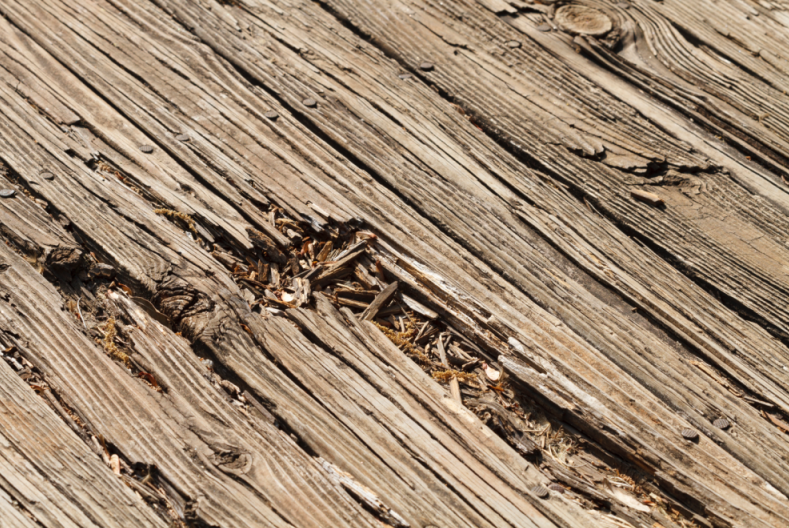
When your garden decking reaches the end of its life — cracked boards, faded colour, or structural wear — it’s easy to think of it as waste. However, in today’s sustainability-driven world, old timber holds significant environmental and economic value. Wood recycling is a crucial part of the UK’s circular economy, transforming discarded decking, pallets, and furniture into valuable new materials while reducing the pressure on our landfills and forests.
At DeckingRemoval.co.uk, we believe that every deck removal can contribute to a cleaner, greener future. Let’s explore how wood recycling works, why it matters, and what happens to your timber once it leaves your garden.
Why Wood Recycling Matters
1. Environmental Benefits and Carbon Reduction
Wood is a natural carbon store. When timber decomposes in landfills, it releases harmful greenhouse gases like methane. Recycling or reusing wood helps retain the carbon stored in the material and reduces the demand for new lumber, which in turn protects forests and lowers energy use in manufacturing.
According to research from the U.S. Forest Service (research.fs.usda.gov), producing new framing lumber requires up to 11 times more energy than reusing reclaimed timber. Similarly, a 2023 study published by PubMed Central (PMC)found that recycling and repurposing wood waste significantly reduce emissions associated with new material production (pmc.ncbi.nlm.nih.gov).
2. Reducing Landfill Waste
The UK generates millions of tonnes of waste wood each year. According to the Health and Safety Executive (HSE), over 2.8 million tonnes of waste wood are recycled annually — accounting for around 60% of all wood waste (hse.gov.uk).
That’s impressive progress, but there’s still room for improvement. Every time decking timber is recycled or reused instead of dumped, it helps reduce the burden on local landfills and supports the country’s waste-reduction goals.
3. Economic and Social Value
Recycling wood isn’t just good for the planet — it’s good for people and businesses too. Reclaimed wood can be used to make furniture, flooring, and garden structures, while lower-grade timber becomes biomass fuel or chipboard material.
In addition, organisations such as Community Wood Recycling operate across the UK, giving waste wood a second life while offering employment and training to people who need it most. In 2023, they reported that 97% of wood collected through their schemes was reused or recycled — a remarkable achievement (communitywoodrecycling.org.uk).
How the Wood Recycling Process Works
When we dismantle and remove old decking, the wood doesn’t just disappear — it goes through several key stages before being transformed into something new.
- Collection and Sorting
Once removed, decking boards are sorted into categories: untreated timber, treated or painted wood, and composite materials. Clean timber is separated early to preserve its recycling potential. - Grading
The wood is graded into different classes:- Grade A – clean, untreated wood suitable for reuse
- Grade B – mixed or lightly treated wood used in panel production
- Grade C – heavily treated or contaminated wood, typically used for energy recovery
- Recycling or Repurposing
Clean wood is chipped and processed into materials such as MDF, OSB, or chipboard. Meanwhile, lower grades may be sent to biomass energy facilities to generate renewable power.
The Wood Recyclers’ Association (WRA) plays a major role in setting standards and ensuring responsible wood recovery across the UK (woodrecyclers.org). - Reuse and Resale
Some boards can be resold to DIY enthusiasts or reclaimed timber merchants, extending their life and reducing waste even further.
Good Practices During Deck Removal
To make the most of your old decking and ensure responsible recycling, consider these simple steps:
- Keep timber clean and separate from plastics, soil, or metal fixings.
- Avoid contamination — treated and untreated woods should never be mixed.
- Contact local recyclers — many offer collection or discounts for clean loads.
- Reuse where possible — undamaged boards can be repurposed for garden structures or DIY projects.
- Choose licensed waste carriers — companies like DeckingRemoval.co.uk ensure your waste is handled according to UK regulations.
Challenges and the Future of Wood Recycling
Despite the growth of recycling networks, challenges remain. Treated or painted wood often requires specialist handling, and not all recycling centres are equipped to process it safely. Transportation costs and limited infrastructure can also make recycling less accessible in some regions.
Nevertheless, the future is bright. With the UK’s increasing focus on sustainability, more recycling facilities and green building initiatives are emerging every year. Demand for reclaimed wood in construction and design is also rising, driven by both eco-conscious consumers and government waste targets.
The Environmental Protection Act 1990 and Waste Framework Directive encourage responsible material recovery — and wood recycling stands as a perfect example of how waste can become opportunity.
Decking Removal with Sustainability in Mind
At DeckingRemoval.co.uk, we take pride in offering eco-conscious decking removal services throughout London and beyond. Our experienced team ensures that old decking is carefully dismantled, separated, and directed to approved recycling facilities or reuse schemes wherever possible.
By choosing professional decking removal and recycling, you help conserve natural resources, reduce carbon emissions, and support the UK’s journey toward a circular economy — one deck at a time.
Sources: